



I approached Jack’d as something more demanding than a quick way to browse profiles. It is a social app for gay chat and dating, developed by Perry Street Software, and its real test is not whether it feels interesting during the first evening. The more useful question is whether it remains comfortable, worthwhile, and manageable after the initial curiosity has gone.
My first impression was that the app makes sense for people who want conversations and potential matches in one place rather than a general social network built around public posting. The audience is clearly mature, with a Mature 17+ rating, so I would not treat it as a casual app for younger users. For the right adult user, it can become a practical way to meet people nearby or keep conversations moving. For someone who dislikes dating-app repetition, however, the experience can become tiring quickly.
How Jack’d feels after the first week
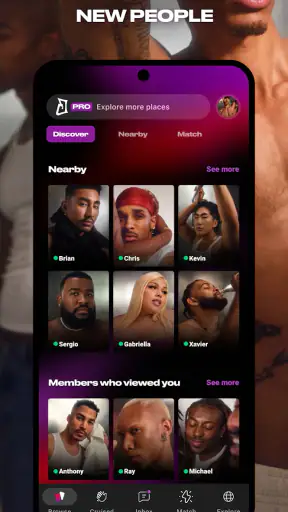
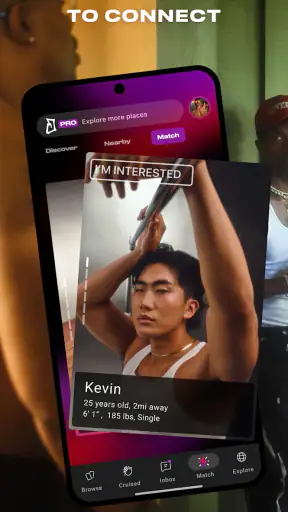
The first week is usually the easiest period to enjoy. There is a natural sense of discovery: new profiles appear, conversations begin, and the app gives you a focused place to look for people who may share your interests or dating goals. I like that the purpose is immediately understandable. You are not trying to decode a broad social platform or build an audience; you are there to connect with other men through chat and matching.
That focus is also the reason I would recommend setting expectations before using it. A profile that looks promising is not automatically a good conversation, and a quick match does not guarantee that both people want the same kind of connection. I found the experience more useful when I treated the app as a starting point for communication instead of a shortcut to a relationship.
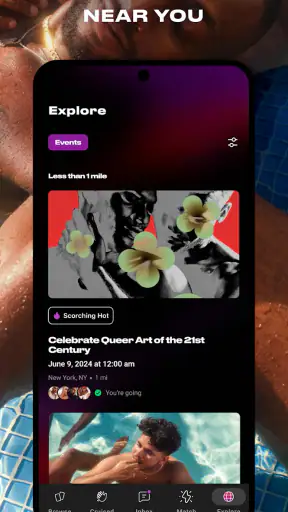
A realistic everyday use case is a person who has recently moved to a new city and wants to meet people without immediately committing to a busy social schedule. A few minutes during a lunch break can be enough to check nearby activity, respond to a message, or decide whether a conversation deserves more time later. That makes Jack’d more flexible than arranging every introduction through friends or waiting for a social event.
The strongest early habit is to make your profile specific enough to filter conversations naturally. A clear idea of what you are looking for can save time, especially when you prefer dating, friendship, or casual conversation rather than an undefined exchange. I would also avoid treating every message as an obligation. Replying selectively is healthier than allowing the app to turn into a second inbox.
Its established audience is part of the appeal. Jack’d has passed five million installs, and its average rating is 4.0 from around 118 thousand ratings. Those figures suggest a substantial user base and a generally positive reception, but they do not remove the need for personal judgment. A large pool can increase the chance of finding someone compatible while also increasing the amount of browsing and sorting required.
What makes the early experience useful
One practical advantage is the ability to separate curiosity from commitment. You can explore conversations before deciding whether you want to meet anyone, which is valuable for people who are shy, new to dating apps, or simply short on time. I found that this works best when I used short sessions with a clear purpose: check messages, review a few profiles, then leave.
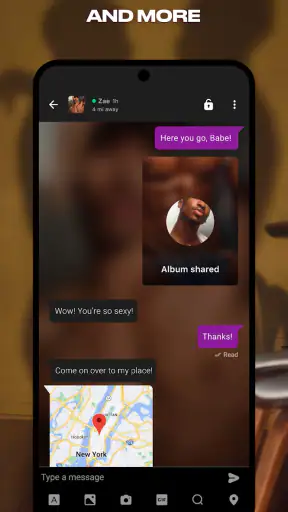
Another useful approach is to move slowly when a conversation becomes personal. The convenience of chat can make people share more than they intended, especially when the exchange feels friendly. I would keep identifying details limited until trust has developed, and I would arrange any first meeting in a public place. That is not a criticism unique to Jack’d; it is a sensible routine for any app that connects strangers.
The app is free to download and use, but optional purchases range from one dollar to eighty-nine dollars and ninety-nine cents per item. That range matters when deciding how seriously to invest in the service. I would begin with the free experience and only consider spending money after confirming that the available conversations and overall rhythm fit my needs.
What remains valuable after the novelty fades
After the first week, the question changes from “Who might I meet?” to “Does checking this app still improve my social life?” For me, the answer depends on whether I use it as one tool among several rather than as my only source of connection. Jack’d can provide recurring value when I want an accessible way to start conversations, especially during periods when meeting people in person is inconvenient.
The month-to-month benefit is strongest for people with a defined purpose. Someone looking for a partner may appreciate having a dedicated space to continue conversations. Someone who has just entered a new community may use it to widen their social circle. Someone who only opens dating apps when bored may find that the experience quickly becomes repetitive, because browsing without a clear goal rarely produces satisfying results.
I would judge a conversation by its consistency rather than by how exciting the first few messages feel. A practical workflow is to notice whether the other person asks questions, respects boundaries, and communicates clearly. If the exchange stays one-sided or repeatedly disappears and returns without explanation, I would stop investing energy. This simple filter is more valuable than endlessly searching for a perfect profile.
Jack’d also works better when I give myself a routine. Checking once or twice at a convenient time is less distracting than opening it whenever a notification or moment of boredom appears. That approach protects attention and makes it easier to notice which conversations are genuinely developing. It also helps prevent the common dating-app problem of confusing constant activity with meaningful progress.
The current version is 8.13.2, and the app supports operating systems from version 7.0 onward. That broad compatibility makes it accessible on older devices, which is useful if you do not replace your phone frequently. Still, compatibility alone does not guarantee a perfect experience on every handset. I would keep the app updated when possible and pay attention to how smoothly it fits into my particular phone’s battery, storage, and notification habits.
When it compares well with alternatives
Compared with general social networks, Jack’d is more direct. A mainstream platform may be better for public communities, groups, or following creators, but it can feel unfocused when your goal is private conversation and dating. Jack’d puts that purpose closer to the center, which reduces the effort needed to explain why you are there.
Compared with a dating app built around highly structured matching, Jack’d may feel more immediate and less dependent on a carefully staged profile. That can be helpful if you prefer browsing and chatting at your own pace. The trade-off is that a more open discovery style can require more personal sorting. You may need to spend additional time deciding which conversations are serious, compatible, or worth continuing.
I would choose a different option if my priority were a tightly curated matchmaking process, extensive relationship questionnaires, or a community organized mainly around long-form discussion. Jack’d is better suited to direct social discovery than to a formal compatibility system. Its strength is accessibility, not the promise that an algorithm will make every decision for you.
The maintenance burden of keeping the app useful
Any social app becomes less valuable when it demands too much attention. Jack’d requires a modest amount of maintenance if you want good results: keeping your profile honest, answering people you actually want to know, ending conversations that no longer feel right, and checking whether your expectations still match the experience.
Profile maintenance is especially important over time. A profile that once represented you accurately can become vague or outdated, and that creates avoidable misunderstandings. I would review the wording occasionally, remove anything that no longer reflects my situation, and make sure the tone matches the kind of interaction I want. This is a small task, but it has a larger effect than endlessly changing search habits.
Message maintenance matters just as much. I would not leave every conversation open indefinitely. If there is no mutual effort, a brief and polite ending is better than allowing a long list of inactive chats to build up. This keeps the app easier to use and makes active conversations more visible.
Notifications can become the hidden cost. A message alert may be welcome when I am expecting a reply, but repeated interruptions can make the app feel like work. I prefer deciding when to check rather than letting every update control my attention. If notifications become distracting, adjusting them or using scheduled check-ins can preserve the social benefit without turning the app into a constant background presence.
There is also a financial maintenance question. Because in-app purchases are available, it is easy to confuse spending with progress. I would only pay for an optional item when I understand what problem it solves and when the free experience has already shown enough value. A purchase cannot create mutual interest, improve an incompatible conversation, or replace careful judgment.
Safety and boundaries in ordinary use
My most important practical advice is to keep control of the pace. Do not share private information simply because someone is friendly, and do not let pressure turn an online conversation into an uncomfortable meeting. If you decide to meet, choose a public location, tell someone you trust where you are going, and keep your own transport plan.
Clear boundaries also improve the quality of the app. Saying what you are comfortable discussing, how quickly you want to meet, and what kind of connection you want can reduce wasted time. People who respect those boundaries are more likely to be worth knowing; people who ignore them are giving you useful information early.
The Mature 17+ rating is a reminder that this is not an app I would recommend for children or younger teens. Adults should still use their own judgment, particularly when conversations become sexual, emotionally intense, or connected to an in-person meeting. The rating describes the intended audience, not a guarantee that every interaction will be suitable or respectful.
Where long-term fatigue starts
The biggest source of fatigue is repetition. Browsing profiles, starting introductions, explaining what you want, and discovering that a conversation is not going anywhere can feel draining when repeated too often. This is not a flaw that an update can completely remove; it is part of the structure of dating apps. Jack’d earns a lasting place more easily when I use it in measured sessions instead of expecting every visit to produce a memorable connection.
Another tiring pattern is uneven communication. Some people respond quickly and then vanish, while others keep chatting without any intention of moving forward. I found it helpful to establish a quiet personal limit: if the conversation remains vague or one-sided after a reasonable exchange, I stop prioritizing it. That prevents the app from occupying mental space without giving anything back.
There can also be fatigue from mismatched expectations. One person may want a relationship, another may want friendship, and another may only want casual conversation. Jack’d can bring these people into the same social environment, but it cannot make their goals identical. Being direct early is therefore not just polite; it is one of the best ways to reduce frustration.
Privacy concerns may affect how comfortable you feel using any location-oriented dating service. I would think carefully about the amount of personal information visible on my profile and avoid treating a digital profile as a complete identity check. The app is a tool for introductions, not proof that someone is exactly who they claim to be.
I would also skip Jack’d if I already know that profile browsing makes me anxious, competitive, or compulsive. A service can be well designed for its purpose and still be wrong for a particular person’s habits. If every session leaves you discouraged, taking a break or choosing a slower, more community-focused alternative may be the better decision.
Does Jack’d earn a lasting place?
In my view, Jack’d earns lasting space for adults who want a focused gay social and dating app, are comfortable taking initiative, and can manage their time and boundaries. Its free entry point makes it reasonable to try, while its large installed audience gives it the scale needed to remain useful beyond a single curious visit. Perry Street Software has kept the product active over many years, with a release history beginning in 2011, which adds to the sense that this is an established service rather than a short-lived experiment.
It does not earn that space by being endlessly exciting. Its long-term value comes from being available when I genuinely want to meet someone, continue a promising conversation, or explore a new social environment. The app works best as a controlled part of my routine, not as a replacement for friends, local communities, or real-world activities.
I would recommend trying the free version first, creating a clear profile, and using short scheduled sessions for several weeks. Pay attention to the quality of conversations rather than the number of profiles viewed. If you find respectful exchanges and a realistic path toward the kind of connection you want, keeping the app makes sense. If you mainly feel pressure to browse, reply, or spend, the novelty has probably faded without enough recurring value.
My final judgment is that Jack’d is worth keeping when it supports a clear social goal, but not when it becomes another source of digital obligation. It is direct, accessible, and potentially useful, yet the best results depend heavily on the user’s filtering skills and boundaries. I would recommend it to someone who wants focused gay chat and dating and is willing to manage the experience thoughtfully. I would point elsewhere for anyone seeking highly curated matchmaking, a discussion-first community, or an app that requires very little personal effort.


